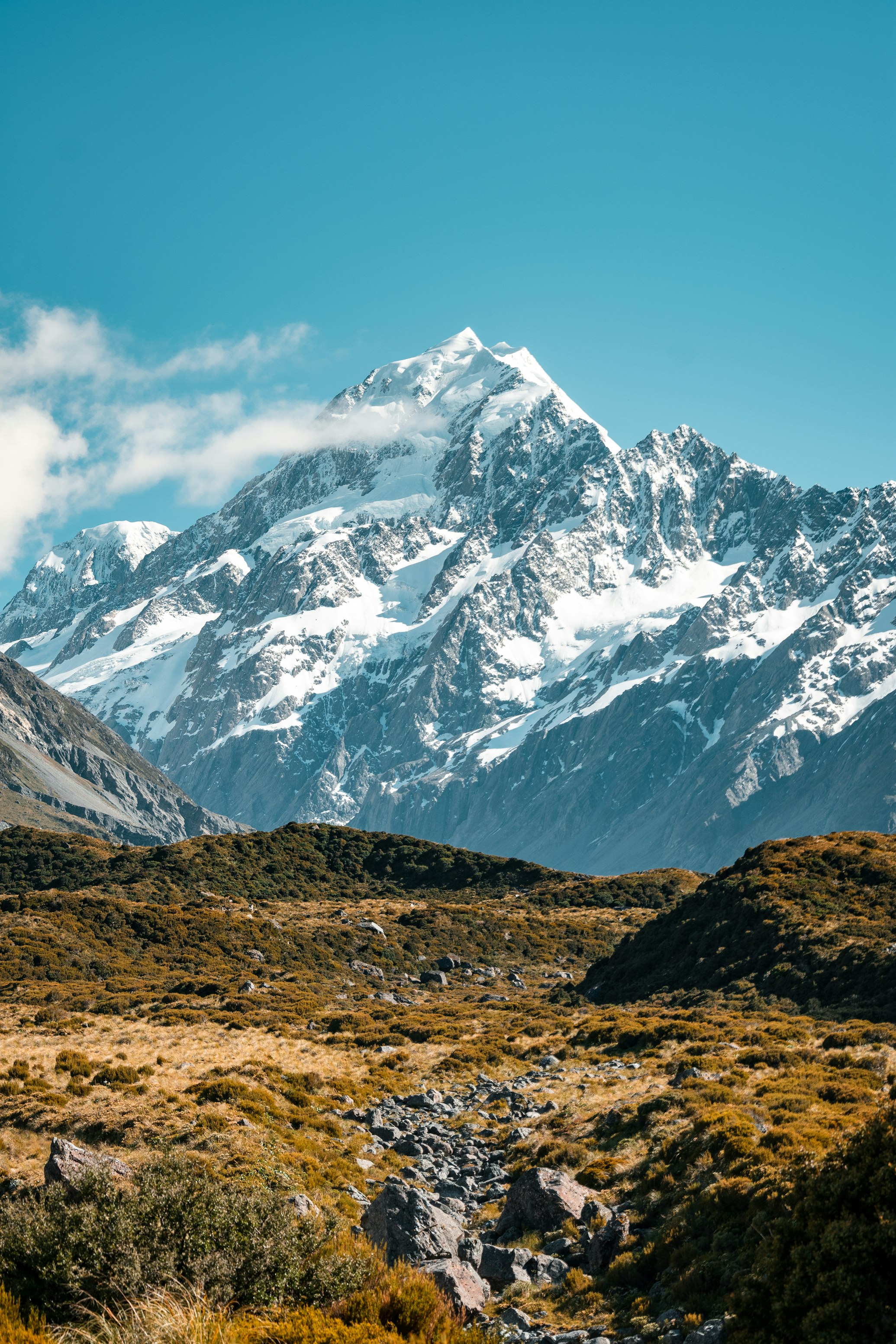
The Annapurna Base Camp (ABC) trek is one of Nepal's most loved Himalayan adventures — a journey deep into the Annapurna Sanctuary, a natural amphitheatre ringed by some of the highest mountains on earth. Starting near Pokhara, the trail climbs through terraced farmland, rhododendron forest and Gurung villages before opening up at 4,130 metres to a 360-degree wall of peaks including Annapurna I (8,091 m) and the sacred fishtail summit of Machhapuchhre. It packs huge scenery and rich culture into a relatively short, accessible trek.
ABC is a teahouse trek — you sleep and eat in family-run lodges along the way — and is considered moderate, making it a great choice for reasonably fit first-time Himalayan trekkers.
Annapurna Base Camp Trek: Quick Facts
| Detail | Info |
|---|---|
| Duration | 7-12 days |
| Max. elevation | 4,130 m (Annapurna Base Camp) |
| Difficulty | Moderate |
| Start/end | Pokhara |
| Best seasons | Mar-May & Sep-Nov |
| Accommodation | Teahouses / lodges |
| Permits | ACAP + TIMS |
The Route
Most treks begin with a drive from Pokhara to a trailhead such as Nayapul or Siwai, then follow the trail through Ghandruk and Chhomrong — the gateway village to the Sanctuary. From there the path drops to the Modi Khola river and climbs steadily through Bamboo, Dovan and Deurali to Machhapuchhre Base Camp (MBC), before a final morning push to Annapurna Base Camp for sunrise over the peaks. Many trekkers add the Poon Hill viewpoint near Ghorepani at the start, and almost everyone stops at the natural hot springs in Jhinu Danda on the way down.
Best Time to Trek
The two ideal windows are spring (March to May), when the rhododendrons bloom, and autumn (September to November), which has the clearest, most stable skies. Winter is possible at lower sections but brings snow and avalanche risk higher up, while the summer monsoon (June to August) means rain, leeches and clouded views.
Permits & Cost
You need two permits for ABC: the Annapurna Conservation Area Permit (ACAP) and a TIMS card, both easily arranged in Pokhara or Kathmandu, usually through a trekking agency. Costs vary with how you trek — independent budget trekkers spend less per day on teahouses and food, while guided packages bundle permits, guide, porter and logistics. As of 2023, most trekkers are required to use a licensed guide. See our dedicated permits guide for the full breakdown.
- •Acclimatise sensibly and don't rush the climb above Chhomrong.
- •Pack layers and a warm sleeping bag — nights at MBC and ABC are cold year-round.
- •Carry cash; there are no ATMs once you leave Pokhara.
- •Start early on the final morning to catch sunrise at Annapurna Base Camp.
- •Reward yourself with a soak at the Jhinu Danda hot springs on the way back.
With its blend of accessibility, culture and jaw-dropping mountain scenery, the Annapurna Base Camp trek is a perfect introduction to Himalayan trekking — and an unforgettable adventure even for seasoned hikers. Sort your permits, pick your season, and the Sanctuary awaits.